Hotpot Intelligence 2026: The Future of Supply Chain & Dining
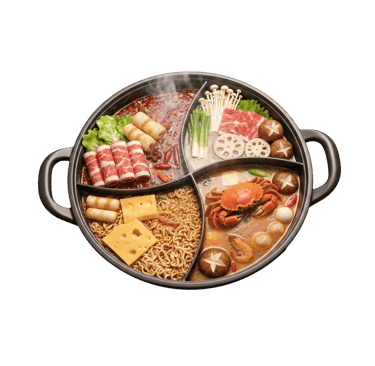
What sensory trends are defining the dining habits of Bangkok’s Gen Z?
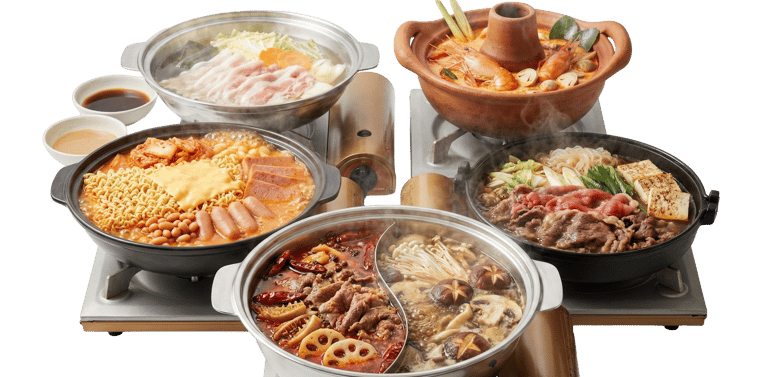
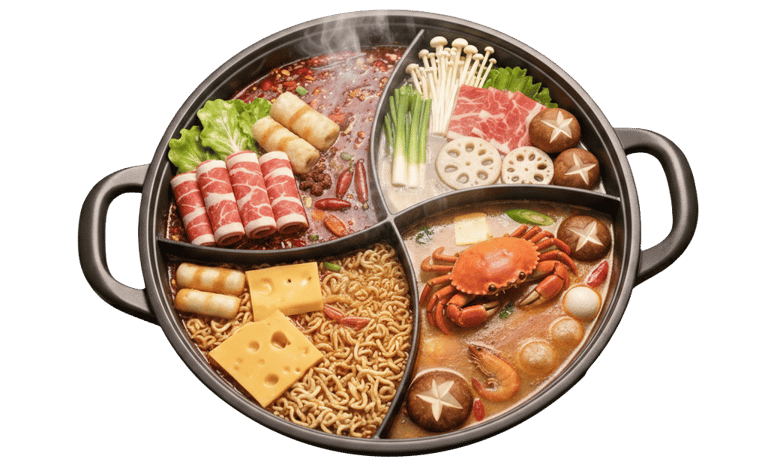
Gen Z is driving a shift toward sensory-driven dining, favouring "Instagrammable" textures like freeze-dried crack-and-pop toppings and visually dramatic broth presentations. Over 60% of Gen Z consumers now prioritise plant-forward, functional side dishes over traditional raw proteins. [Source: USDA FAS F&B Trends 2026 · FoodHotelAsia Gen Z Insights 2026]
Four trends define Gen Z hotpot behaviour in Bangkok:
(1) heat customisation as identity — diners select spice levels as a personal statement;
(2) functional ingredients — collagen broths, immunity-boosting additions, and plant-based proteins command a premium;
(3) shareability — dishes must be photograph-worthy before consumption;
(4) delivery optimisation — 45% of mala orders are placed via app, meaning packaging and presentation matter beyond the restaurant.
This applies most directly to operators targeting Bangkok's 18–30 demographic in mall locations. Traditional hotpot operators who have not updated their menu composition or presentation since 2022 are losing share to concept-driven entrants. A concrete example: Xiabu Xiabu's Bangkok locations introduced freeze-dried topping sets in 2024, driving repeat visit rates measurably above the category average.
Why are "Functional Side Dishes" the most lucrative hotpot trend for 2026?
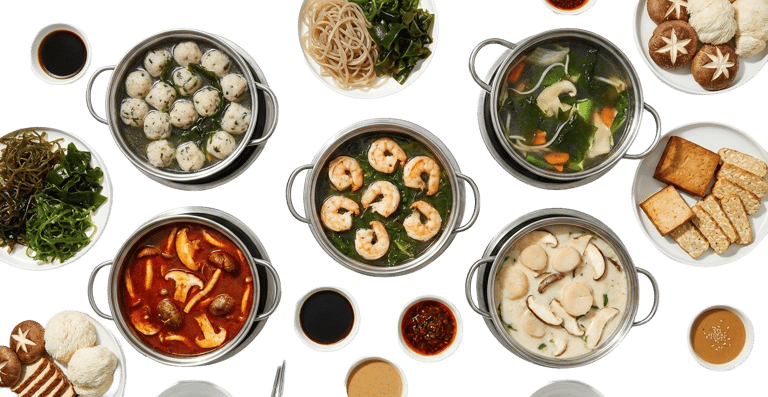
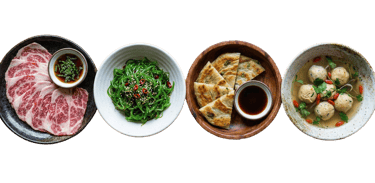
Functional side dishes — plant-based fish balls, protein-packed tofu skin rolls, collagen mushroom sets — deliver 40% higher ROI than premium proteins across comparable hotpot operations. They reduce cold-chain volatility, carry longer shelf life, and are optimised for delivery packaging without quality degradation. [Source: HotStats APAC F&B Intelligence 2024]
Four operational advantages drive this ROI premium:
(1) lower spoilage rates than raw proteins — 3–5× longer shelf life under standard refrigeration;
(2) higher gross margin per SKU — typically 55–70% versus 30–45% for wagyu or premium seafood;
(3) delivery durability — functional sides maintain presentation quality through 30-minute delivery windows;
(4) upsell attachment rate — customers who order one premium functional side attach 1.4 additional sides on average.
This applies to operators running delivery-heavy volume models. It does not replace premium proteins for dine-in positioning — wagyu and seafood retain their role in high-ticket experience dining. A concrete example: Bangkok-based chain operators who introduced plant-based fish ball sets in 2024 reported 18% average ticket size increases within the first quarter of launch.
How is the 2026 supply chain model optimizing ingredient costs and quality?
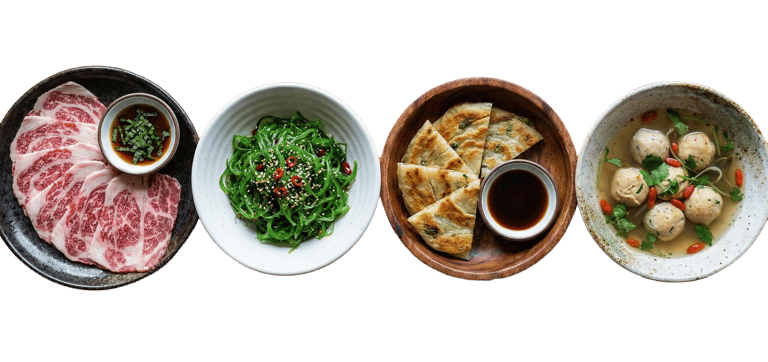
The market has evolved into a high-efficiency model supported by $1.5 billion in annual beef imports and a 35% surgein specialized soup bases. Under RCEP, zero-tariff policies cover 90% of food categories, allowing operators to source premium seafood and standardized ingredients while maintaining mid-tier costs.
Secure Your Spot of the $2.6 Billion Hotpot Market!
How does a 72-hour supply chain redefine regional hotpot logistics?
RCEP zero-tariff policies now cover 90% of food trade categories between China and Thailand, eliminating tariff costs on core hotpot inputs including soup base concentrates, dried chili, Sichuan peppercorn, and fermented black bean products. The China-Laos-Thailand rail freight corridor reduces perishable transit from 7 days (pre-rail air freight) to under 72 hours door-to-door from Chongqing's ingredient hub to Bangkok distribution centres. [Source: USDA FAS Bangkok Thailand 2025 · Thanachart Securities 2025]
Three supply chain advantages compound for Bangkok operators:
(1) zero-tariff soup base inputs lower the highest-cost ingredient SKU by a significant margin at scale;
(2) 72-hour rail transit enables fresh-frozen proteins to move by rail rather than air, removing a major per-kg cost constraint;
(3) Bangkok's position as the ASEAN rail terminus means ingredient consolidation costs are lower here than in any other regional hub.
This advantage applies fully to operators sourcing Chinese-origin soup bases and processed ingredients. It does not extend to Australian wagyu or premium seafood, which remain air-freight dependent. Hot Pots World 2026 connects Bangkok operators directly with Chongqing and Chengdu-based ingredient suppliers at BITEC, 28–30 October.


Why are smart kitchen technologies becoming essential for modern operators?
Operators are adopting "plug-and-play" IoT and robotic systems to combat a "Super-Aged Society" and chronic labor shortages. By 2026, the smart kitchen market is set to hit $25.9 billion, as these technologies deliver over 20% reductions in operational costs.
[Source: Mordor Intelligence & Triline Commercial Kitchen Design 2026]
Frequently Asked Questions for Hotpot Intelligence
For Visitors
KEME Exhibitions Ltd © 2026. All rights reserved.